Finance System
Finance System Module Overview
The Finance System module in the Hospital Management System is a comprehensive system designed to streamline and manage all aspects of the hospital's human resources. This module encompasses various functionalities that help in managing company details, employee records, user access, scheduling, attendance, payroll, and leave management. Each feature is integrated to ensure a seamless flow of information and efficient management of human resources.
Features of the Human Resource Module
The Human Resource (HR) module in the Hospital Management System is a comprehensive system designed to streamline and manage all aspects of the hospital's human resources. This module encompasses various functionalities that help in managing company details, employee records, user access, scheduling, attendance, payroll, and leave management. Each feature is integrated to ensure a seamless flow of information and efficient management of human resources.
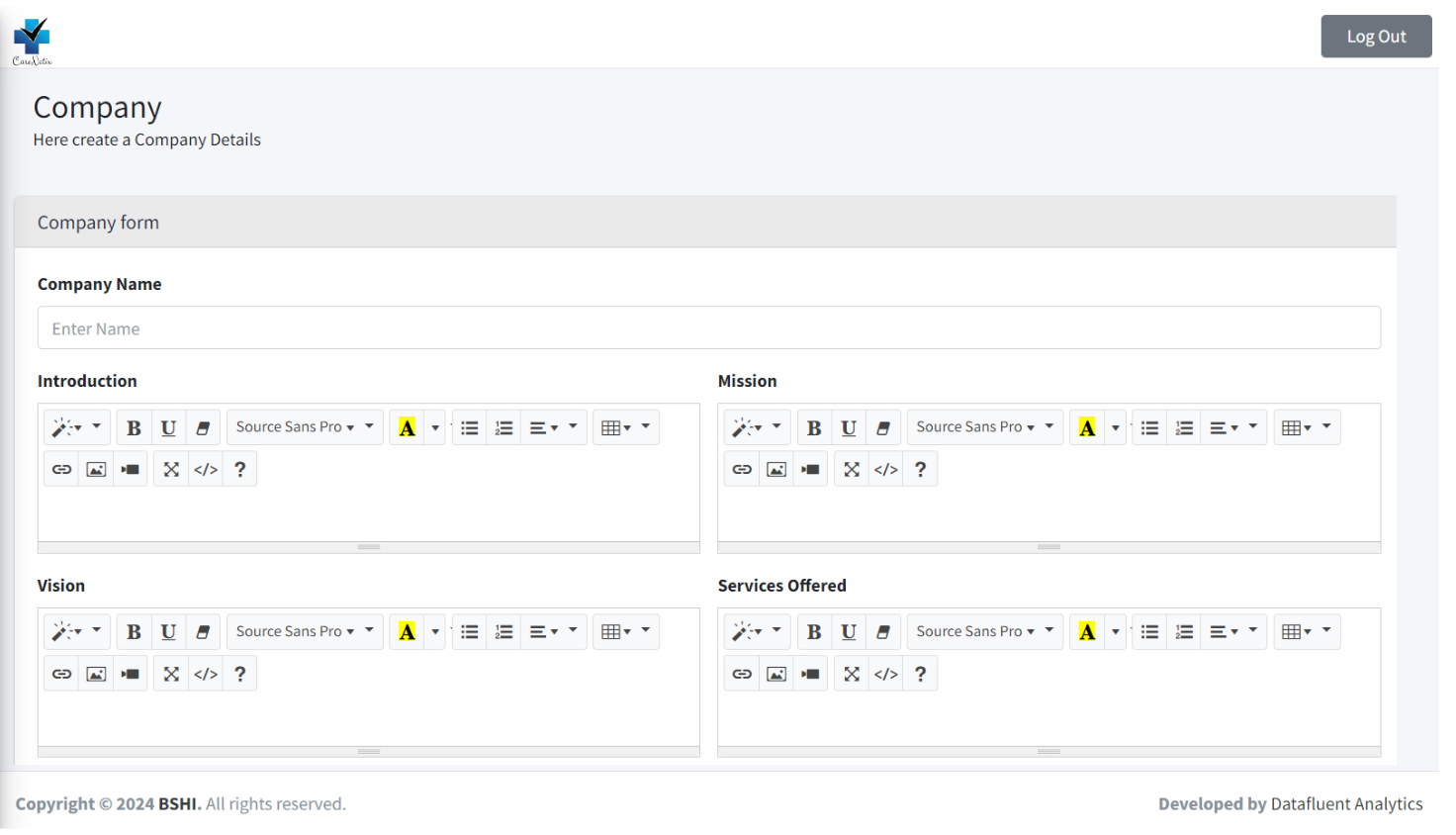
The Company section captures all necessary details about the hospital, including:
- Name: The official name of the hospital.
- Address: The physical location of the hospital.
- Contact Information: Phone numbers, email addresses, and other contact details.
- Other Relevant Data: Additional information such as registration details, tax information, etc.
This section ensures that all company-related data is centralized and easily accessible.
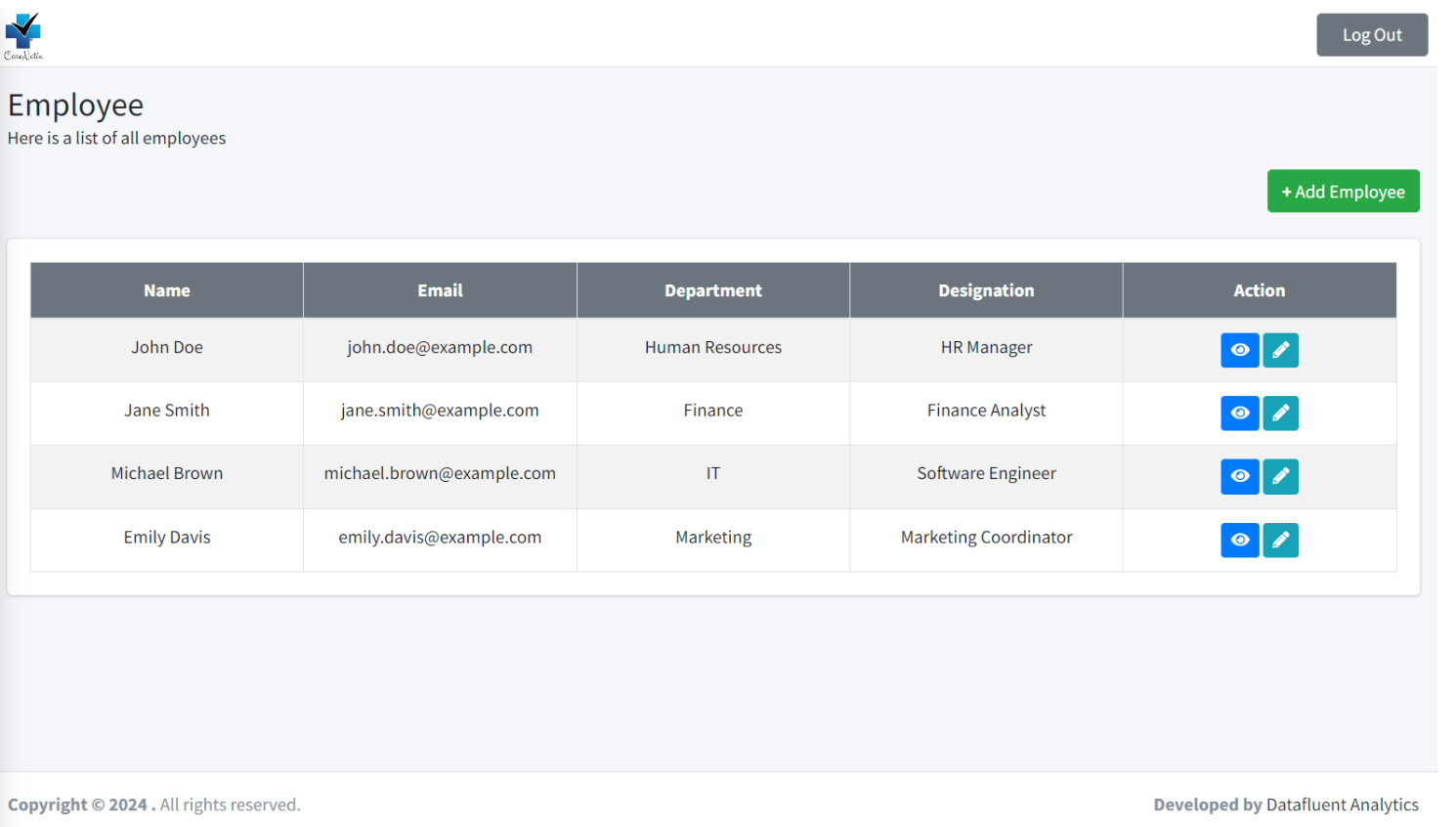
User Description in an HR context refers to the profile and access information of an employee or user within the organization's HR management system or any other internal platform. This profile typically includes the following elements:
- Login Credentials: Username and password for system access.
- Linked Employee Records: Each user is linked to a corresponding employee record for identification and access control.
- Login History: A record of the user’s login activities, including timestamps, IP addresses, and devices used.
- Account Status: Indicates whether the account is active, inactive, or locked due to multiple failed login attempts or security concerns.
- Department/Position: The department and job title associated with the user, which can determine their access level.
- Data Access Compliance: Information on any compliance training or certifications the user has completed, particularly if they handle sensitive data.
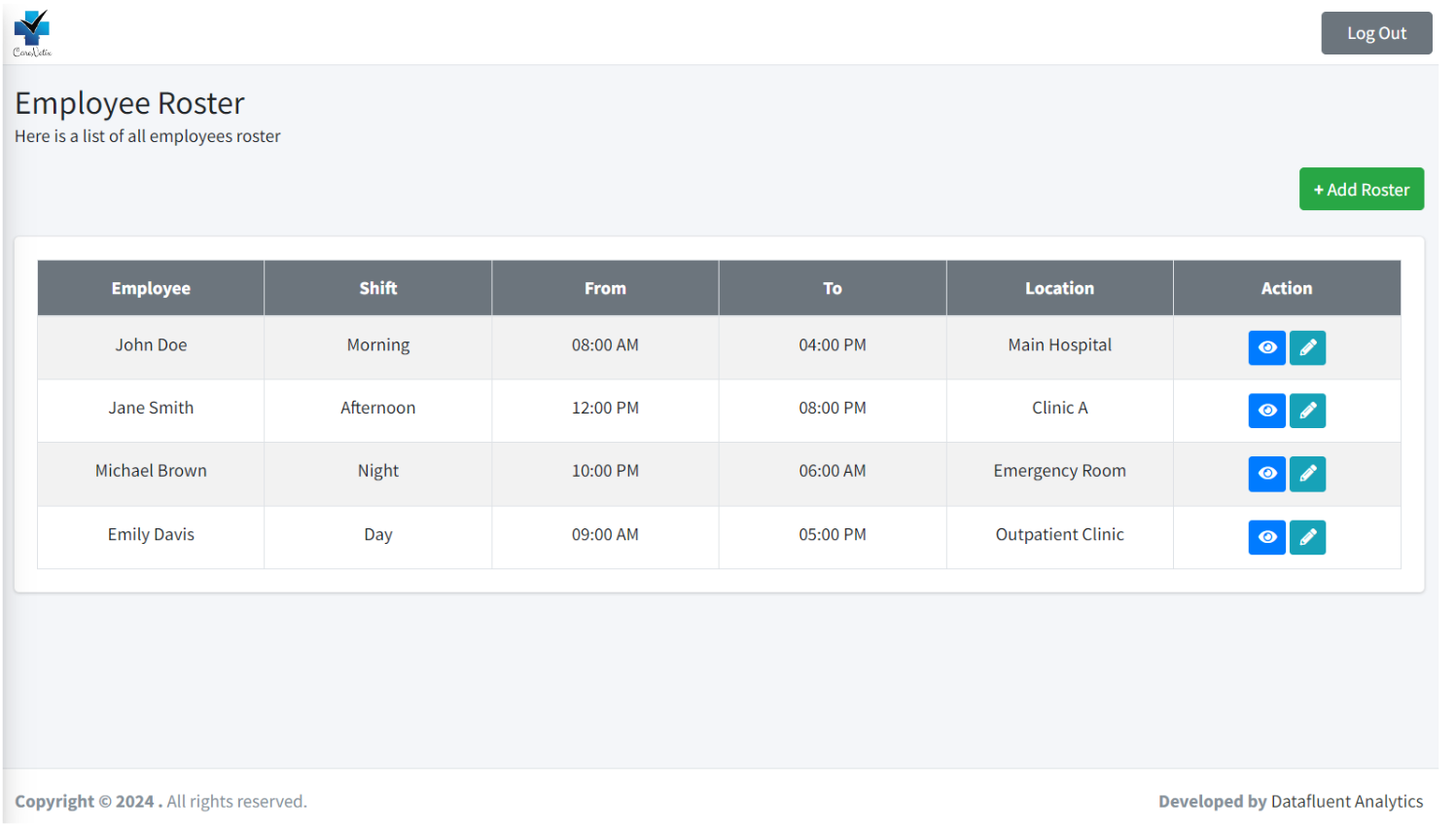
Roster is a detailed list or schedule that outlines the work shifts, duties, and responsibilities of employees within an organization. It typically includes the following elements:
- Shift Timings: Specific start and end times for each employee’s work shift. This could be on a daily, weekly, or monthly basis.
- Days Off: Indication of days when employees are off duty, including weekends, public holidays, or personal leave.
- Work Locations: If employees work in different locations or departments, the roster might specify where each person is assigned on any given day or shift.
- Responsibilities/Tasks: Any special duties or tasks assigned to employees during their shifts.
- Rotation Plans: For jobs that require rotating shifts, the roster will show the rotation pattern (e.g., morning, evening, night shifts).
- Overtime/On-call Duty: Information about overtime assignments or on-call duties for certain employees.
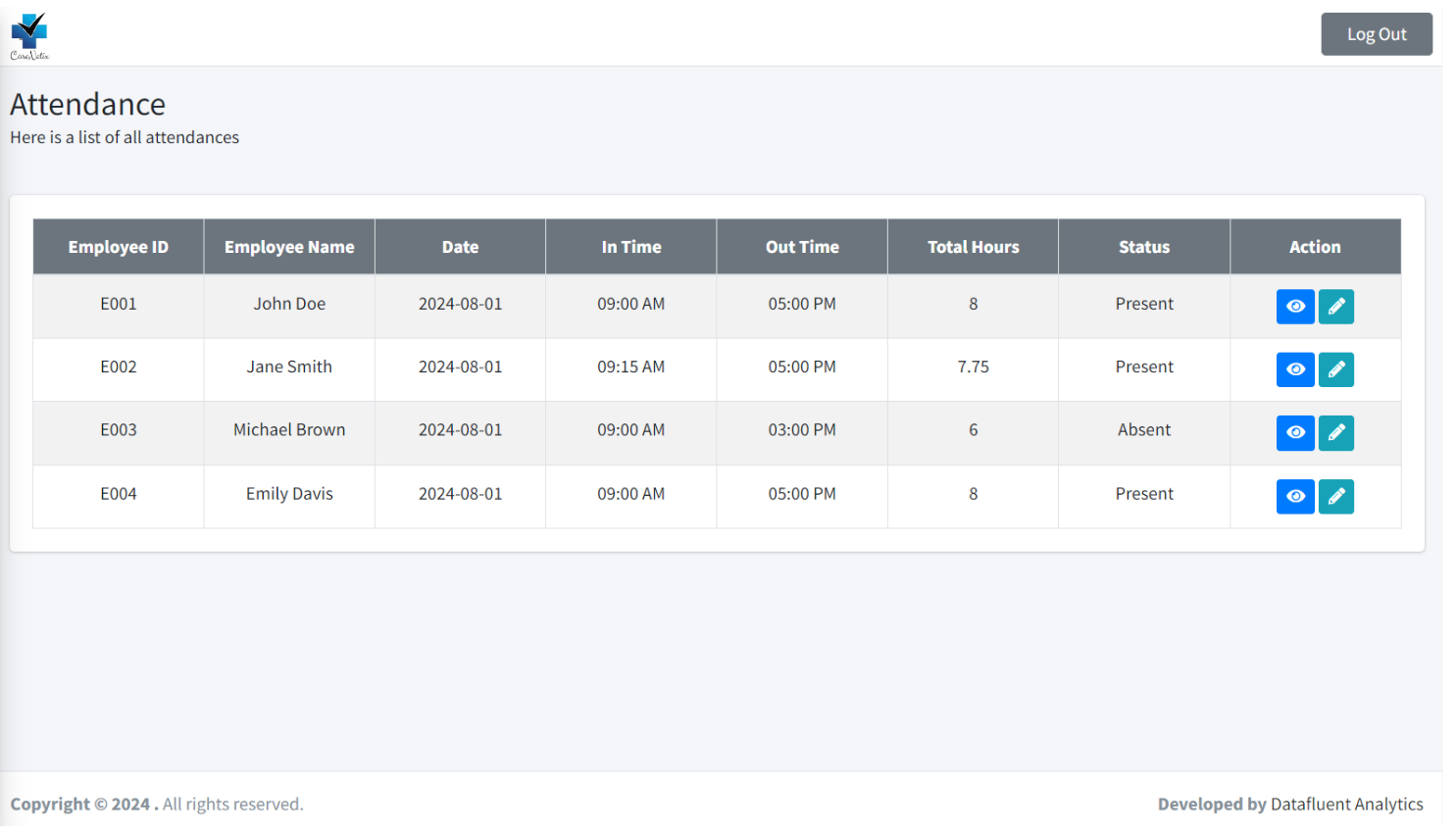
Attendance Description refers to the detailed tracking and management of employee attendance, including their presence, absences, and punctuality. This is crucial for workforce management, payroll processing, and ensuring compliance with labor laws.
- Name and Employee ID: Identifying information to track attendance records.
- Department/Position: Helps in categorizing attendance data according to different departments or roles.
- Check-In and Check-Out Times: The specific times when an employee starts and ends their workday.
- Sick Leave: Days taken off due to illness, usually requiring a doctor’s note.
- Vacation Leave: Pre-approved days off taken by the employee for personal reasons.
Attendance management is a fundamental aspect of HR operations, contributing to overall organizational efficiency, employee satisfaction, and compliance.
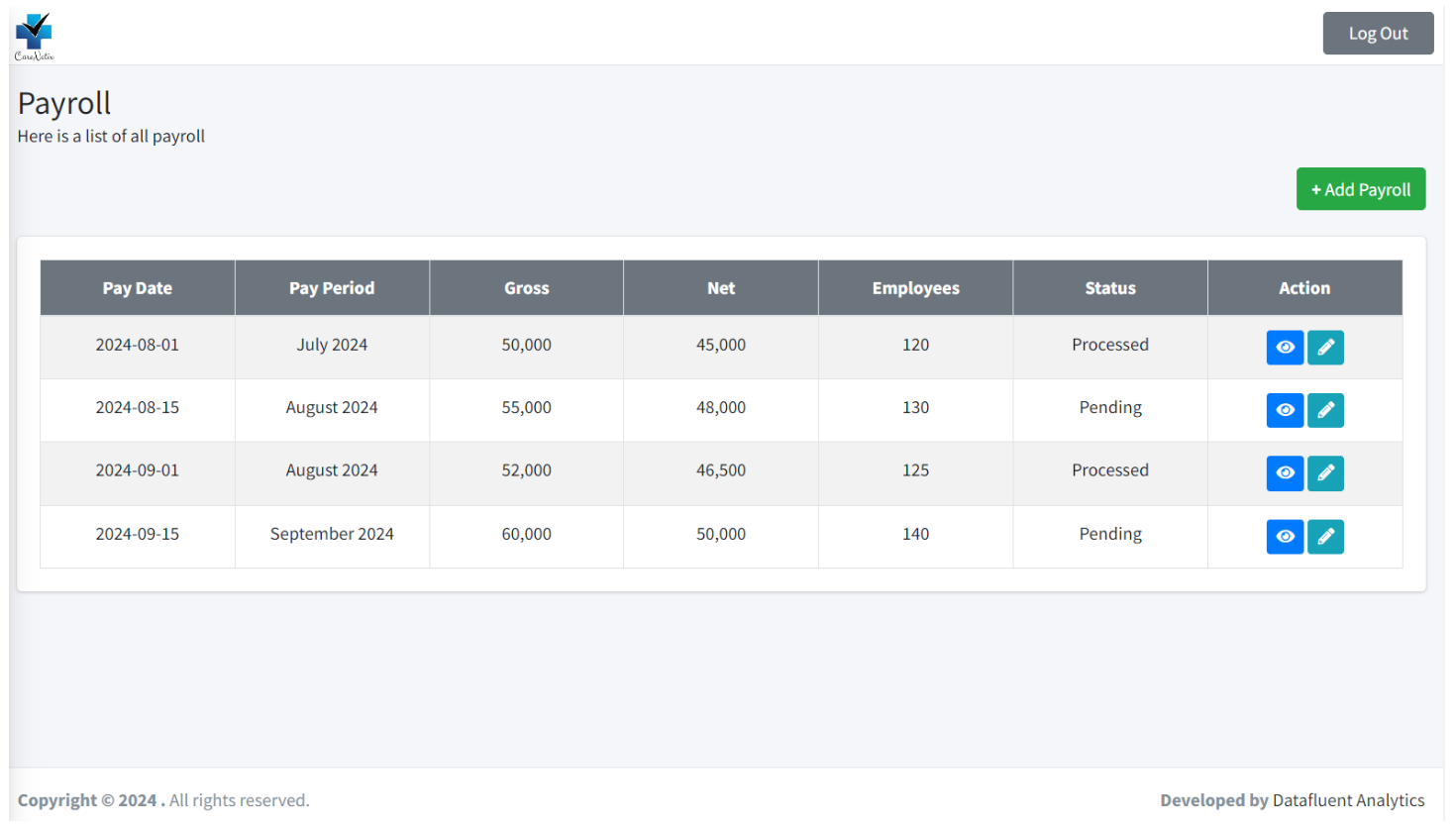
Payroll Description refers to the systematic process by which an organization compensates its employees for their work. Payroll encompasses all aspects of salary and wage payments, including tax withholdings, benefits deductions, and legal compliance. It is a crucial function in ensuring that employees are paid accurately and on time.
- Salary/Wage Rate: The agreed-upon amount the employee earns per hour, day, week, or month.
- Pay Frequency: The schedule on which employees are paid (e.g., weekly, bi-weekly, monthly).
- Base Salary: The fixed amount paid to an employee as per their employment contract.
- Tax Withholdings: Federal, state, and local taxes deducted from the employee's gross pay.
- Payroll Reports: Detailed reports generated for management, showing payroll expenses, tax withholdings, and benefits costs.
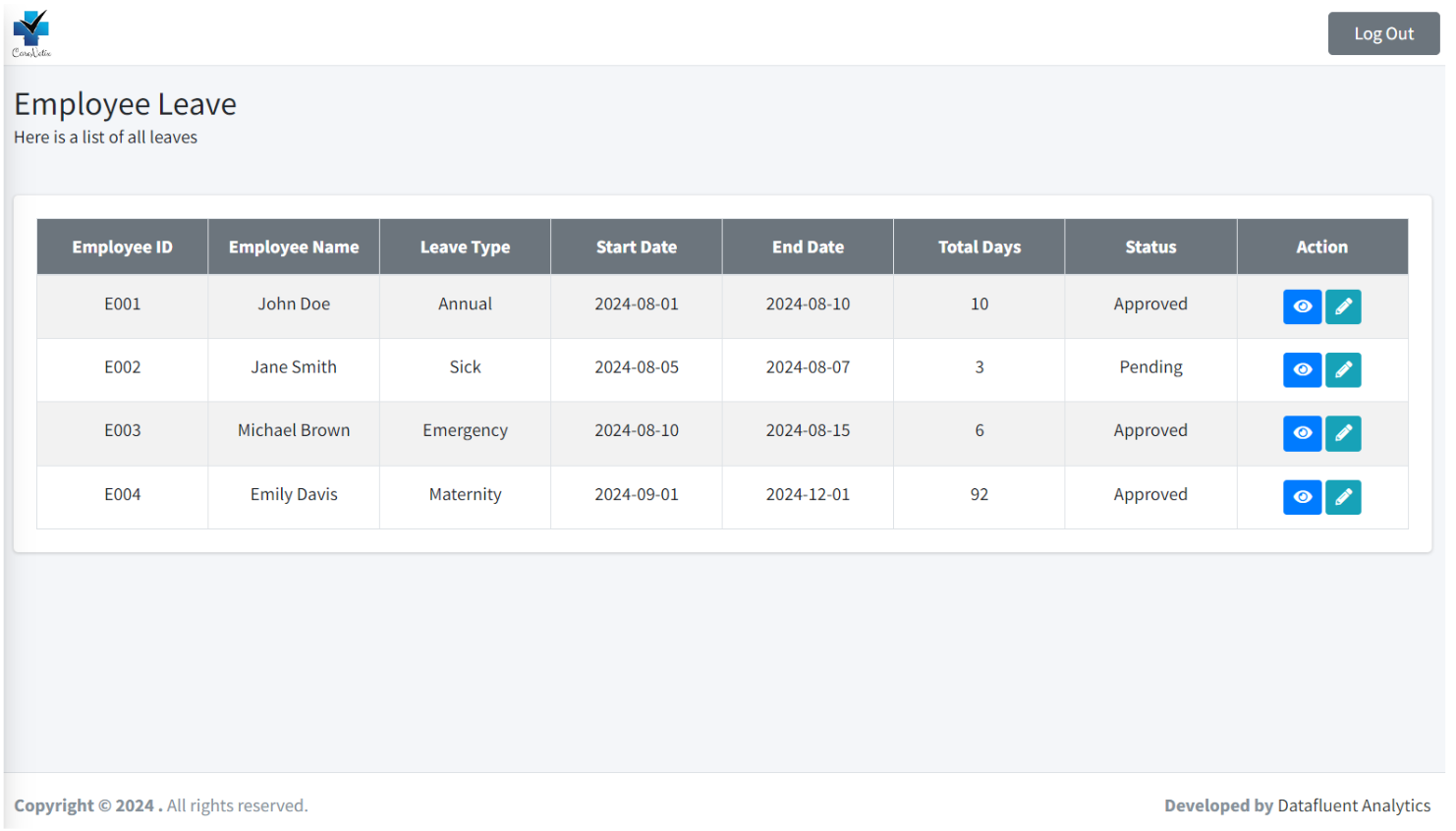
Leave Description refers to the various types of time off that employees are entitled to or may request, along with the policies and procedures governing those leaves. Leave management is a critical part of HR operations, ensuring that employees can take necessary time off while maintaining productivity and compliance with labor laws.
- Annual Leave/Vacation Leave: Paid time off that employees accrue and can use for rest, recreation, or personal matters.
- Sick Leave: Time off granted when an employee is ill or needs to care for a sick family member. Some companies may require a doctor's note for extended sick leave.
- Parental Leave: Extended leave for parents to care for their newborn or newly adopted child, beyond maternity and paternity leave.
- Unpaid Leave: Leave that is granted without pay, often when an employee has exhausted their paid leave or in special circumstances.
Effective leave management is crucial for maintaining a productive and motivated workforce, while also ensuring that the organization meets its legal obligations and operational needs.